
Effective Classroom Strategies for UK Teachers
Teaching in the UK brings a distinct mix of challenges and opportunities. From working within the National Curriculum to meeting the needs of diverse learners, educators are constantly balancing structure with creativity. Whether you’re an Early Career Teacher (ECT) or an experienced practitioner, there’s always value in enhancing your classroom approach. Here are some practical, classroom-tested tips to help you create an engaging, effective learning environment.
1. Start with Clear Learning Intentions
Every successful lesson begins with a clear goal. Share learning objectives in student-friendly language and revisit them throughout the lesson. This helps pupils understand not just what they are learning, but why it matters.
Tip: Use “WALT” (We Are Learning To) and “WILF” (What I’m Looking For) to keep expectations explicit, learning objective, success criteria & purpose of the lesson.
2. Build Strong Routines
Consistency is key in UK classrooms. Establish routines for entry, transitions, behaviour, and independent work early in the term.
Why it works: Predictable routines reduce cognitive load and behaviour issues, allowing more time for learning.
Example routines:
- Silent starter activities (e.g., “Do Now” tasks)
- Clear signals for attention (countdown, call-and-response)
- Structured end-of-lesson reflections
- Homework set and due same days each week
3. Use Assessment for Learning (AfL)
Ongoing assessment helps you adapt teaching in real time. Techniques such as mini whiteboards, hinge questions, and exit tickets provide instant feedback.
Quick wins:
- Ask targeted questions to check understanding
- Use “no hands up” to involve all pupils
- Address misconceptions immediately
- Pose a question before saying the pupil’s name, so all students are thinking of an answer
4. Differentiate Effectively (Without Overcomplicating)
Differentiation doesn’t always mean creating multiple worksheets. Instead, focus on scaffolding and stretching within the same task.
Strategies:
- Provide sentence starters or writing frames
- Use tiered questioning (easy → challenging)
- Offer extension tasks that deepen thinking, not just add work
5. Prioritise Behaviour Management
A calm, respectful classroom is essential for learning. Follow your school’s behaviour policy consistently and fairly.
Key principles:
- Be calm, firm, and consistent
- Praise positive behaviour more than you sanction negative behaviour
- Use clear, simple instructions
Pro tip: Narrate the positive “I can see Year 5 are ready with their books open.”
6.Make Learning Interactive
Engagement increases when pupils actively participate. Mix up your teaching methods to include discussion, group work, and hands-on activities.
Ideas:
- Think-Pair-Share
- Role play or simulations
- Quizzes and retrieval practice games
7. Embed Retrieval Practice
Regularly revisit prior learning to strengthen memory. This is especially important within the UK curriculum, where knowledge builds cumulatively.
Try this:
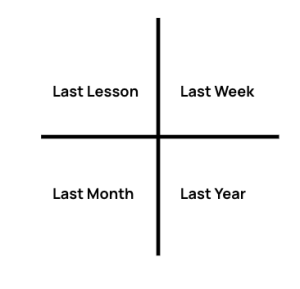
- Start lessons with 3-5 quick recap questions
- Use spaced repetition over weeks, not just days
- Mix topics to improve long-term retention
- 4 Questions layout example
8. Support SEND and EAL Learners
Inclusive teaching benefits everyone. Small adjustments can make a big difference.
Examples:
- Use visuals alongside verbal instructions
- Break tasks into manageable steps
- Pre-teach key vocabulary
- Display keywords in every lesson
9. Manage Your Workload
Teaching in the UK can be demanding, so it’s vital to work smart.
Time-saving tips:
- Use whole-class feedback instead of marking every book in detail
- Share resources with colleagues
- Reuse and adapt lesson materials
10. Build Positive Relationships
Strong relationships are at the heart of effective teaching. Pupils are more motivated when they feel respected and understood.
Simple ways to connect:
- Greet students at the door
- Show interest in their lives and achievements
- Be approachable and consistent
Great teaching isn’t about perfection; it’s about reflection and continuous improvement. Small changes in your daily practice can have a significant impact over time. Focus on clarity, consistency, and connection, and you’ll create a classroom where all pupils can thrive.
What works best in your classroom? Reflect regularly, adapt where needed, and don’t be afraid to try new strategies. Teaching is a journey, and every lesson is an opportunity to improve.
What our Candidates have to say;
Since I started working with SMS (in November 2025) I have been very impressed with the amount of work that I have been offered as well as the suitability of work; especially in the Gateshead area. My consultant Megan always communicates effectively and regularly, she is very friendly and is always prompt to reply to any queries or questions that I might have. I would not hesitate to recommend SMS to anyone who is looking for work in the Education sector. SMS offers good rates of pay as a non-profit making agency. –
I have had an excellent experience working with Schools Mutual Services. They have been incredibly supportive, consistently providing me with a range of work opportunities that fit my schedule. The SMS team is always approachable and professional, making the process smooth and stress-free. I genuinely enjoy working with them and would highly recommend their services to anyone looking for reliable and consistent work in the education sector. – Ryan
My experience with Schools Mutual has been nothing but exceptional!
I was welcomed from my initial enquiry. The registration process was smooth with Amy and Katy supporting me throughout the process and answered any queries.
Within no time, I was offered numerous placements, with no pressure. Being new to this I was uncertain, however they arranged a meeting with a senior member of the school, which gave me further information. I have now secured a long term placement. I would highly recommend Schools Mutual. A special mention to Amy and Katy who guided me through the process. These girls were amazing!!! – Julie
Follow us on Social Media: